HomePolitics
Politics
First Statewide Chewing Gum Ban Looms In New Jersey—And Even Supporters Are Asking What The Science Really Shows
Advertisement
above-image
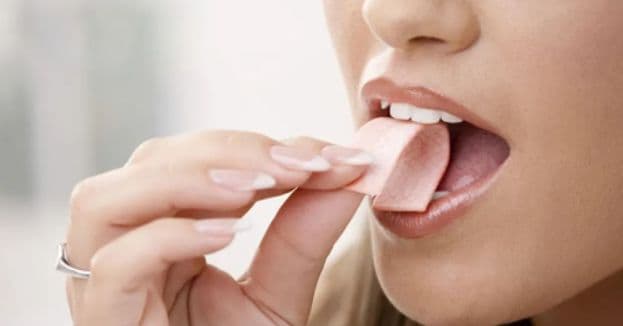
A sweeping proposal in Trenton could make New Jersey the first state in the nation to outlaw chewing gum, while dramatically expanding government power over everyday consumer products in the name of fighting “microplastics."
Advertisement
after-intro
According to the Daily Mail, the Protecting Against Microplastics Act, sponsored by Democratic Assemblywomen Shama Haider and Margie Donlon, would not only phase out gum but also target tea bags, plastic plates, cutlery, containers, cleaning products and cosmetics across the Garden State. The measure would hand the New Jersey Department of Environmental Protection (DEP) $3 million in taxpayer funds to build an enforcement regime, even as critics question whether the science justifies such a sweeping intrusion into daily life.
 Obama Mocks Hegseth’s ‘Jawlines And Testosterone’ Focus—But His Real Fear Runs Deeper
Advertisement
inarticle
Haider and Donlon point to recent research suggesting that microplastics are released into the body during the first minutes of chewing, using that data to justify a crackdown on products that have been in American households for generations. Their office has emphasized that, while other states are exploring broad strategies to reduce microplastics, this is the first bill in the country to single out specific consumer items like chewing gum for potential prohibition.
The legislation would roll out in stages, beginning with a mandatory labeling requirement for gum manufacturers whose products contain microplastics, a mandate that would last for two years. After that grace period, any company that continues to use the targeted materials would be forced to pull its products from New Jersey shelves, effectively creating a state-level ban on traditional gum formulas.
Advertisement
inarticle
The bill goes further by criminalizing what it calls black-market gum, imposing fines of up to $25,000 on those who sell products that defy the new rules. At the same time, it carves out an exemption for items that do not contain “intentionally added microplastics,” even if trace amounts are detected in packaging or as incidental contamination.
Haider has insisted that the proposal is not meant to permanently deprive residents of familiar products, framing the measure as a temporary push to force industry reform. She argued that “this bill is focused entirely on public health” and added, “It is my hope that by starting with a label requirement, the bill will give manufacturers the opportunity to remove microplastics before it gets to the point of prohibiting sales.”
Many New Jerseyans are not convinced, and social media has lit up with frustration over what they see as yet another example of government overreach into trivial aspects of daily life while larger crises go unaddressed. One exasperated commenter wrote, “With everything else going on, this is what we’re focusing on,” while another asked pointedly, “How about we work on actual problems?”
Even some experts who support reducing microplastics are urging caution and clarity rather than a rush to ban. Orville Morales, director of advocacy and health affairs at the New Jersey Dental Association, backed efforts to cut microplastics in gum but called for more specificity in the bill and told NJ.com that his organization will work with lawmakers to refine its provisions.
The scientific research driving the proposal remains evolving and far from settled, even as it is being used to justify sweeping regulatory changes. A 2024 University of California, Los Angeles study that tested 10 gum brands found that about 94 percent of microplastics were released within the first eight minutes of chewing, and estimated that a person chewing around 160 to 180 pieces of gum per year would ingest about 30,000 microplastic particles.
An updated analysis one year later suggested that the intake might actually be up to 1,000 times higher, approaching 30 million particles annually for that same level of gum consumption. Yet despite these alarming figures, researchers still have not reached a consensus on what this exposure means for human health, even though microplastic particles have been detected in organs and some experts warn of potential DNA and lung damage.
Beyond gum, the Democratic proposal would empower the DEP to expand its reach into virtually every corner of the state’s environment and economy. The bill directs the agency to study microplastic pollution in the air and to design a program to cut such particles in New Jersey’s “air, water and soil” by promoting what it deems safer materials, a mandate that could open the door to further bans and regulations on common consumer goods.
The measure has been referred to the Assembly Environment and Solid Waste Committee, which took it up in mid-September and now has the authority to amend or advance it. The committee’s next public meeting has not yet been scheduled, and even if the bill clears that hurdle, it must still pass both chambers of the state Legislature and secure the governor’s signature, leaving residents to wonder whether their state will prioritize symbolic environmental gestures over personal choice and practical governance.
Advertisement
article-bottom-1
Advertisement
article-bottom-2